18-06-12_Feature

1884

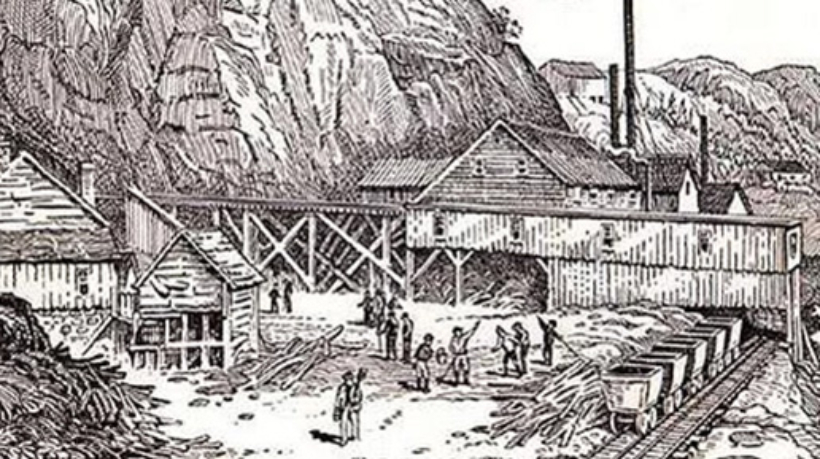
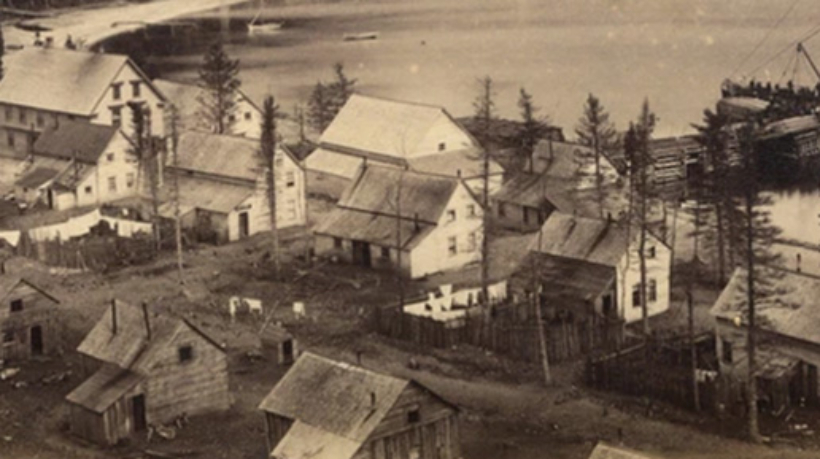
“In the valley between two hills on the south side is situated one of the most valuable copper mines in Newfoundland. A tramway extends from the mine to the wharf in Little Bay, and there is a road to the settlement at the head of Indian bight. A white wooden church, with a spire, has been erected at the southwest end of the dwelling houses, and a wharf projects from the centre of the beach” (Newfoundland and Labrador 1884: Supplement Issue 1 by United States Hydrographic Office). January Tem ...
18-05-22_Feature

1883

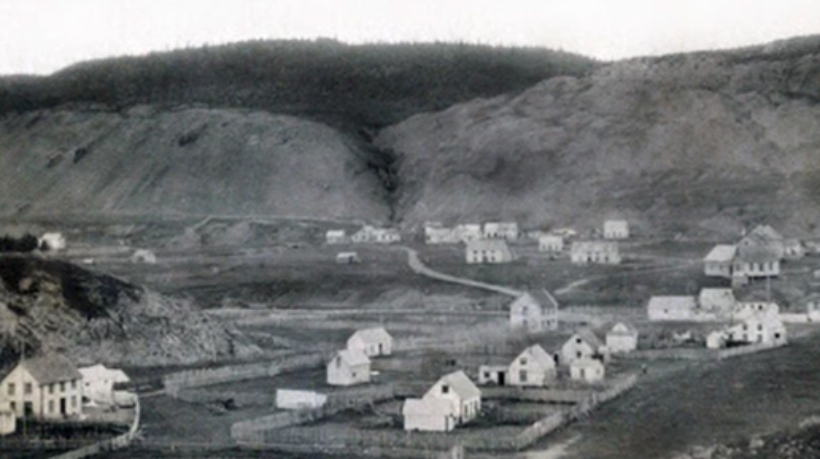
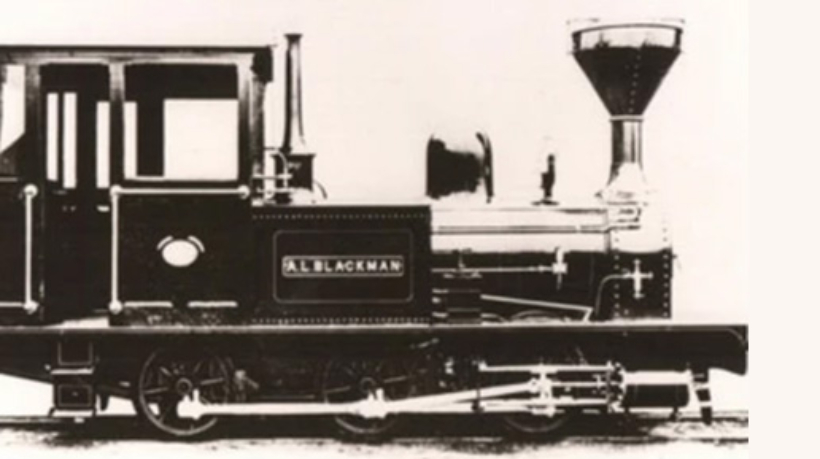
January The newly opened Little Bay Bazaar was doing well with profits being used to complete the RC church and to build a house for Father O’Flynn. The local custom involved Mr. Lynch leading the Little Bay Brass Band through town to the Hall in announcing the opening of the Bazaar at 3pm. Its decorations were said to be “especially profuse” and the Hall was divided so that “each stall formed a kind of triumphal arch, and was laden with various useful articles suitable for all classes, great ...

18-05-17_Feature

1882

1882 was a year of change, both for the town and the colony. Politics abounded and Little Bay was right in the middle of it. Newfoundland had its 15th general election in October and William Whiteway formed the government under the Conservative Party. The elected officials for the Twillingate-Fogo region were R.P. Rice and Jabaz P. Thompson - the founder of the Twillingate Sun. The railway's construction was underway, despite the debates, and “During the ensuring winter hundreds of men were e ...

18-05-08_Feature

1881

By 1881 Little Bay had “a well equipped laboratory and numerous stores for grain, hay, provisions and necessary mining stock large reservoirs capable of supplying any necessary amount of water” but, perhaps of greatest note, was the “ample wharfage for the largest vessels afloat, with the finest harbourage in the world” (Harbour Grace Standard). The mining town received yet another famous visitor this year, The Admiral, Sir William Kennedy. Kennedy wrote of his visit describing Little Bay as ...

18-05-07_Feature

1880

In 1880 the copper boom peaked for Notre Dame Bay. This was the high-water mark but the decline would be slow across the rest of the 19th century, coming in fits and starts before puckering out in the early 1900s. But, these were still the boom years and the town was being hailed as "Newfoundland's el Dorado" (Moments in Time). It also gained some fancy government appointees this year such as a shiny new Magistrate by the name John B. Blandford (Twillingate Sun). A subcollector named Duder was ...

18-04-10_Feature

1879

The town of Little Bay was on the map in 1879 with a population recently swollen and suddenly lucrative. "Adolph Guzman developed during much of 1879, removing hundreds of tons of ore from the locale to the Little Bay smelters" (Martin). Many of the early players in the town were of German origin and Baron Franz von Ellershausen treated the design of the town and mine together as a social project. Ellershausen was already known in Nova Scotia where he had built houses for 32 shipwrecked Germa ...

18-04-09_Feature

1878

The year is 1878 in an area of Newfoundland still known as Indian Bight and the Little Bay mines are just about to start. And due to an act of fortune or foresight the site has a brand new telegraph office already in place, the line extended there earlier that year (Prowse, P. 566). The presence of a telegraph office would prove an interesting detail for the little mining town. They were still pretty rare in 1878 and caught some attention. Geological surveyor James Howley wrote of his visit in ...